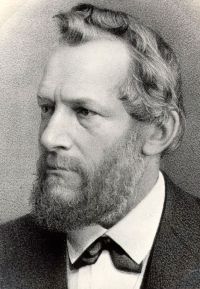
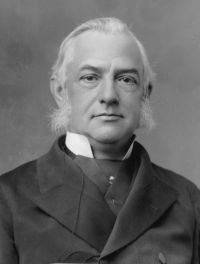
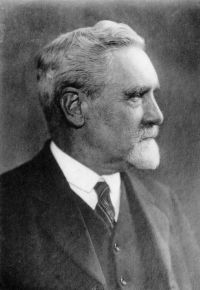
Germany, a federal republic in Central Europe, is a nation defined by its historical complexity, cultural depth, and geopolitical importance. From its medieval origins as the core of the Holy Roman Empire to its contemporary status as Europe’s largest economy, Germany has both influenced and been influenced by centuries of conflict, innovation, and unification. Authors such as Achmed Abdullah portray Germany as a dynamic force of expansion, while Emil du Bois-Reymond contemplates the contrast between its cohesive present and divided past.
Price Collier differentiates the German Empire’s administrative function from the emotional significance of the Fatherland, and F. Max Müller presents national unity as both a tangible and ethical duty. These viewpoints together highlight Germany’s duality: a country of industrial strength and intellectual drive, yet one whose past remains deeply connected to its quest for identity and international standing.
 Achmed Abdullah,
The Man on Horseback — Chapter 29
(1903)