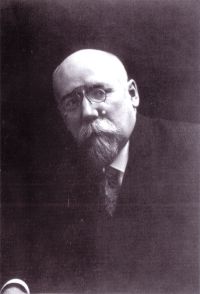
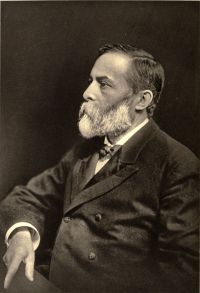
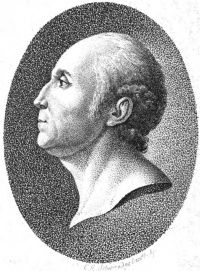
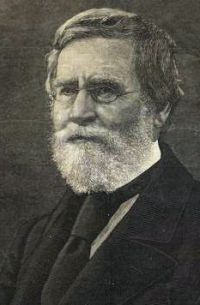
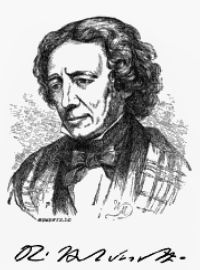
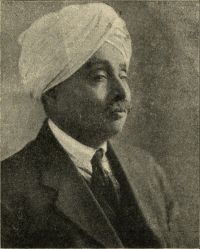
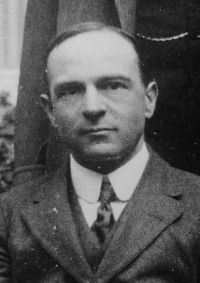
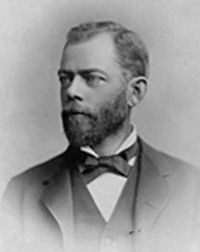
The concept of fatherland (Vaterland in German) represents the emotional and ideological connections between individuals and their nation, often portrayed as a collective entity calling for loyalty, sacrifice, or moral responsibility. From Johann Gottlieb Fichte’s vision of the fatherland as a vehicle for spiritual advancement to Fyodor Sologub’s depiction of it as a common home requiring shared effort, writers have examined its dual function as both a unifying ideal and a source of ethical conflict.
While L. Mühlbach’s passionate appeal to action highlights its capacity to inspire, Friedrich Nietzsche questions its constraints, promoting a higher love for future generations over inherited bonds. José Rizal, in turn, redefines patriotism as a fight for justice, demonstrating the concept’s flexibility across different cultural and political landscapes. These varied viewpoints together emphasize the fatherland’s lasting complexity as a symbol of identity, obligation, and hope.