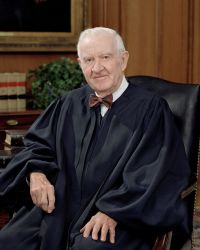
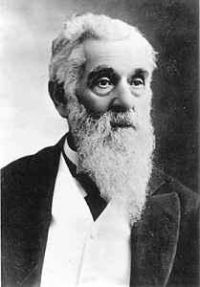
Paternalism refers to actions that limit an individual’s or group’s freedom or self-determination, ostensibly to enhance their well-being, often drawing on a protective or guiding role similar to that of a parent. This idea has been examined across various fields, from legal theory to social policy, with differing viewpoints. John Paul Stevens viewed it as a form of care for those not yet prepared for self-governance, while William Graham Sumner criticized it as a symbolic power structure in which the "Forgotten Man" is expected to fulfill obligations under a paternal authority.
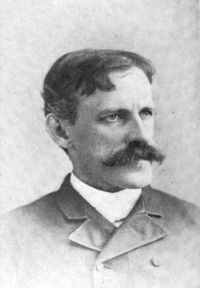
Grover Cleveland opposed state paternalism, contending that government should not support citizens financially, and Henry James Sumner Maine associated it with family systems based on patriarchal control. These viewpoints underscore a conflict between protective involvement and respect for self-determination, illustrating discussions about when, if at all, such actions might be considered acceptable. The theme ultimately demonstrates a nuanced balance between ensuring welfare and preserving individual independence.