The puppet, a figure both artificial and symbolic, has long served as a mirror to human nature in literature, embodying themes of autonomy, control, and identity. From Carlo Collodi’s Pinocchio, where the puppet grapples with self-awareness and moral choice, to Jonathan Swift’s satirical puppet-show mocking human folly, authors have explored its duality as both a controlled object and a metaphor for agency.
Winifred H. Mills highlights its lifelike potential, while Harold MacGrath contrasts its lack of true freedom. These varied portrayals reveal the puppet as a versatile lens for examining human desires, societal roles, and the interplay between creator and creation.
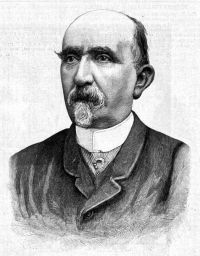 Carlo Collodi,
The Story of a Puppet
(1892)
Carlo Collodi,
The Story of a Puppet
(1892)