The donkey, a medium-sized equid characterized by long ears and a distinctive, humped back, has long captured literary interest for its dual role as a practical creature and a symbol of contrasting qualities. From R. Pitcher Woodward’s vivid depiction of a donkey’s defiant response to a storm to D.H. Lawrence’s portrayal of donkeys as silent bearers of burdens, writers have examined its endurance and modesty.
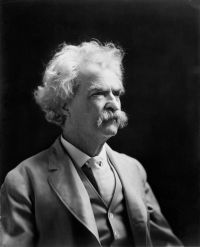
Mark Twain humorously critiques the unceasing vigor of donkey-boys, while Théophile Gautier portrays the languid elegance of donkey drivers in Egypt. These differing viewpoints underscore the donkey’s lasting place in human culture, connecting utility and metaphor, as literature repeatedly presents it as both a loyal companion and a reflection of human shortcomings.