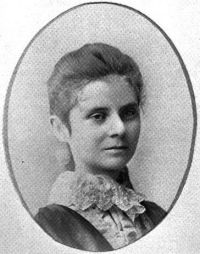
The concept of the villager refers to a fictional human or film character, often female, deeply connected to rural life, as seen in the character from Babes in Toyland. Authors have long examined this archetype to reflect communal bonds, tradition, and the contrast between rural simplicity and urban modernity. Robert Frost’s poem The Self-seeker illustrates the villager’s harmonious connection with nature’s rhythms, while F.
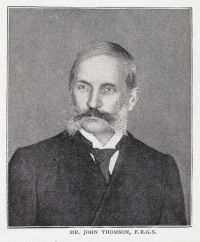
Edward Hulme contrasts the settled existence of a hamlet-bound villager with the restless drive of an outsider. Likewise, Arthur H. Smith emphasizes the villager’s resilience and profound experiences in Chinese rural sociology, and John Thomson captures the untamed spirit of mountain villagers. These depictions collectively highlight the villager as a symbol of cultural continuity, human adaptability, and the enduring tension between isolation and community.
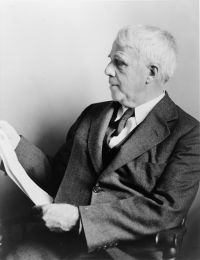 Robert Frost,
The Self-seeker
(1914)
Robert Frost,
The Self-seeker
(1914)