Plague, a contagious illness caused by Yersinia pestis, has shaped human history through its deadly forms—bubonic, septicemic, and pneumonic—each spreading through fleas, direct contact, or airborne particles. Literature has long addressed its effects: Daniel Defoe’s A Journal of the Plague Year documents societal breakdown during an outbreak in 17th-century London, while Mary Shelley’s The Last Man portrays plague as a trigger for profound existential despair.
Writers from the 18th to 19th centuries, such as Richard Mead and Alexander Kinglake, examined its medical, social, and psychological aspects, revealing both fear and endurance. These works together highlight plague’s dual nature as a biological threat and a reflection of human fragility.
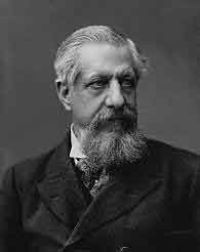 Edwin Arnold,
The Light of Asia
(1879)
Edwin Arnold,
The Light of Asia
(1879)