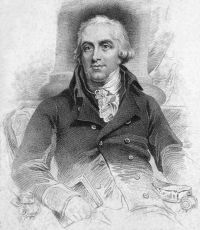
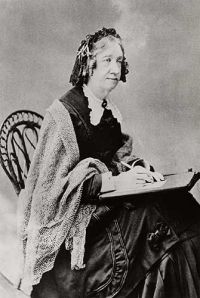
Fever, a common medical sign characterized by increased body temperature, functions as a protective response to infections, initiated by pyrogens that adjust the hypothalamic thermostat. Historically, authors such as Southwood Smith and Benjamin Rush examined its physiological mechanisms, viewing it as a universal reaction to illness. Literary figures like R. D.
Blackmore and Marie Louise de la Ramée illustrated fever's intense physical effects, employing metaphors of fire and storm to depict its power. Meanwhile, James Tytler associated fevers with environmental influences, highlighting the role of air. These diverse viewpoints—from scientific investigation to poetic imagery—highlight fever's dual nature as both a biological process and a symbolic representation of turmoil, underscoring its lasting importance in health and the human experience.
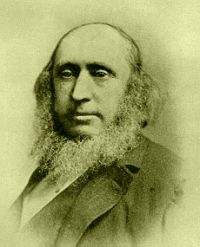 R. D. Blackmore,
Cripps, the Carrier: A Woodland Tale
R. D. Blackmore,
Cripps, the Carrier: A Woodland Tale