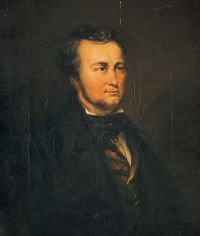
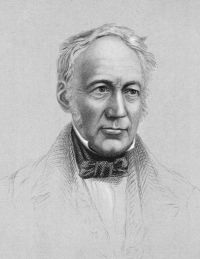
Fire, a primal force of destruction and sustenance, has long symbolized transformation, passion, and impermanence in literature. From the smoldering hearth in Dickens’ Great Expectations to the apocalyptic flames in Webster’s biblical verse, authors have harnessed fire to evoke both danger and rebirth.
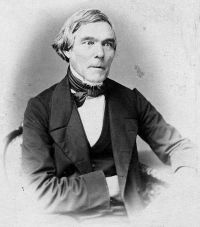
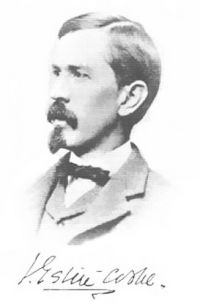
Lönnrot’s Kalevala celebrates its wild, untamed energy, while Lawrence reflects on its elemental endurance in nature. Whether as a metaphor for human longing or a manifestation of nature’s wrath, fire’s duality—destroyer and creator—resonates across texts, revealing its lasting role as a mirror to human experience.
 Charles John Huffam Dickens,
Great Expectations
(1861)
Charles John Huffam Dickens,
Great Expectations
(1861)