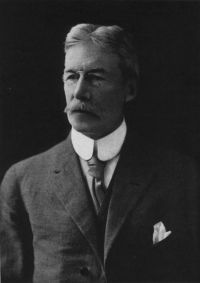
Edward Washburn Hopkins

Edward Washburn Hopkins

Summary

Portrait of Edward Washburn Hopkins Edward Washburn Hopkins The Religions of India

Varuna has extended air in trees, strength in horses, milk in cows, and has laid wisdom in hearts; fire in water; the sun in the sky; soma in the stone. Varuna has inverted his water-barrel and let the two worlds with the space between flow (with rain) . With this (heavenly water-barrel) he, the king of every created thing, wets the whole world, as a rain does a meadow. He wets the world, both earth and heaven, when he, Varuna, chooses to milk out (rain) —and then do the mountains clothe themselves with cloud, and even the strongest men grow weak.
Source: Gutenberg

Portrait of Edward Washburn Hopkins Edward Washburn Hopkins The Religions of India

Through Me, who am the superintendent, nature gives birth to all things, and for that cause the world turns about. They of demoniac nature recognize me not; they of god-like nature, knowing Me as the inexhaustible source, worship Me. I am the universal Father, the Vedas, the goal, the upholder, the Lord, the superintendent, the home, the asylum, the friend. I am the inexhaustible seed. I am immortality and death. I am being and not-being. I am the sacrifice and he that offers it. Even they that, with faith, sacrifice to other gods, even they (really) sacrifice to Me.
Source: Gutenberg

Portrait of Edward Washburn Hopkins Edward Washburn Hopkins The Religions of India

Buddhism alone teaches that to live on earth is weariness, that there is no bliss beyond, and that one should yet be calm, pure, loving, and wise.
How could such a religion inspire enthusiasm? How could it send forth jubilant disciples to preach the gospel of joy? Yet did Buddhism do even this. Not less happy and blissful than were they that received the first comfort of pantheism were the apostles of Buddha.
Source: Gutenberg

Get perspective with Kwize: daily news enlightened by great literature