Summary

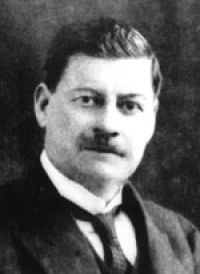
Portrait of Charles Eliot Charles Eliot Hinduism and Buddhism, An Historical Sketch…

Just as the light of all the stars is not worth one sixteenth of the light of the moon: as in the last month of the rains in the season of autumn, when the sky is clear and cloudless the sun mounts up on high and overcomes darkness in the firmament: as in the last hour of the night when the dawn is breaking, the morning star shines and gives light and radiance: even so does love which sets free the soul and comprises all good works, shine and give light and radiance.
Source: Gutenberg

Portrait of Charles Eliot Charles Eliot Hinduism and Buddhism, An Historical Sketch…

All religious doctrines, especially theories about the soul, are matters of temperament. A race with more power of will and more delight in life might have held that the soul is the one agent that can stand firm and unshaken midst the flux of circumstance. The intelligent but passive Hindu sees clearly that whatever illusions the soul may have, it really passes on like everything else and continueth not in one stay. He is disposed to think of it not as created with the birth of the body, but as a drop drawn from some ocean to which it is destined to return.
Source: Gutenberg

Portrait of Charles Eliot Charles Eliot Hinduism and Buddhism, An Historical Sketch…

The Buddhist teaching is that when men die in whom the desire for another life exists—as it exists in all except saints—then desire, which is really the creator of the world, fashions another being, conditioned by the character and merits of the being which has just come to an end. Life is like fire: its very nature is to burn its fuel. When one body dies, it is as if one piece of fuel were burnt: the vital process passes on and recommences in another and so long as there is desire of life, the provision of fuel fails not.
Source: Gutenberg

Get perspective with Kwize: daily news enlightened by great literature