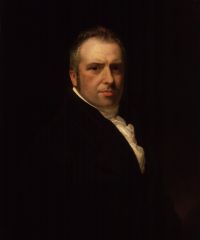
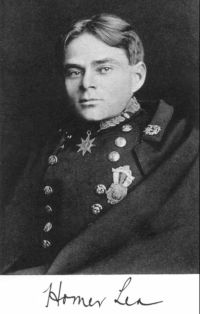
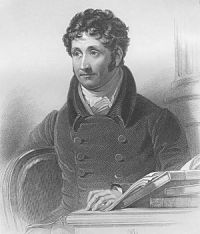
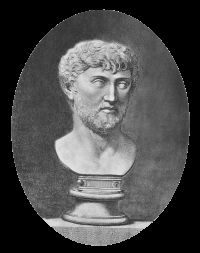
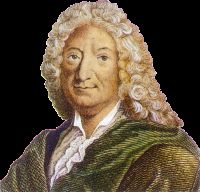
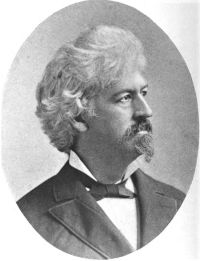
Impermanence, the idea of transient existence, has long fascinated thinkers and writers, who have examined its implications through metaphors drawn from nature, politics, and spirituality. Lydia Maria Child contrasts human attempts to control change with the inevitable wearing away of landmarks, while Isaac Newton interprets natural occurrences as symbols of political decay.
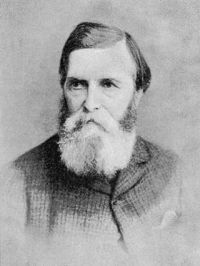
Jean Pierre Claris de Florian uses flood imagery to ridicule arrogance, and Alexander Maclaren juxtaposes divine endurance with the ephemeral nature of worldly power. From Milton’s turbulent seas to Mathilde Blind’s fading empires, these works together highlight impermanence as both a universal truth and a warning, showing how human efforts are continually carried along by the flow of time.
 Lydia Maria Child,
Philothea: A Grecian Romance
Lydia Maria Child,
Philothea: A Grecian Romance