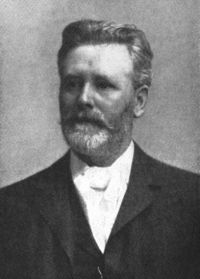
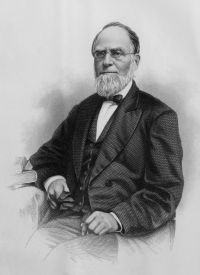
Rock, defined as a mass of stone projecting from the earth or water, has long served as a powerful symbol in literature, embodying endurance, natural grandeur, and the interplay between the eternal and the transient. From Emory Adams Allen’s reflection on rocks as silent witnesses to geological time to John La Farge’s meditation on their integration with human artistry, authors have portrayed rock as both a testament to nature’s strength and a medium for reflection.
Whether depicting its rugged beauty, as in Henry Van Dyke’s vivid mountainous landscapes, or its symbolic significance, as in Joseph Conrad’s evocation of enduring landmarks, rock emerges as a multifaceted motif, bridging the physical and the metaphorical.