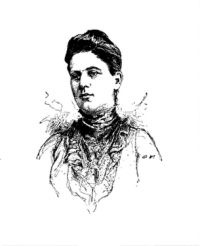
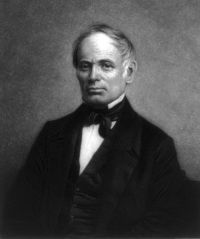
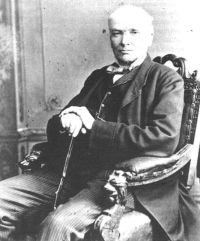
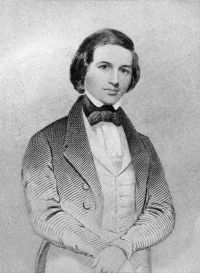
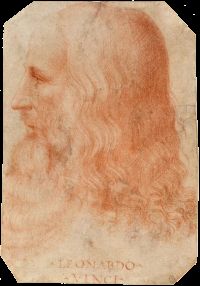
Vigor, broadly defined, signifies robust physical or mental energy, often linked to strength, endurance, and vitality. Authors have long explored its manifestations: Albert Pike associates it with enduring power and performance, while Anna Bowman Dodd evokes its raw, untamed presence in nature.
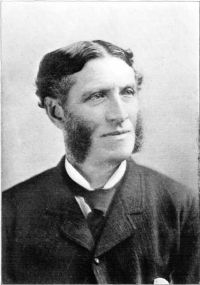
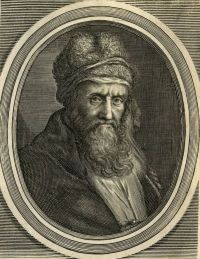
Plutarch frames it as a fiery force underpinning virtues like fortitude, and Matthew Arnold contrasts its decline with modern life’s pressures. Thomas Jefferson ties it to bodily exercise, and S. D. Gordon connects it to spiritual empowerment. Across these perspectives, vigor emerges as a dynamic interplay of physical health, moral resolve, and existential purpose, reflecting both human resilience and the pursuit of meaningful action.
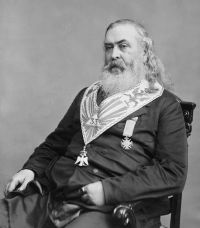 Albert Pike,
Morals and Dogma of the Ancient and Accepted Scottish Rite of Freemasonry
Albert Pike,
Morals and Dogma of the Ancient and Accepted Scottish Rite of Freemasonry