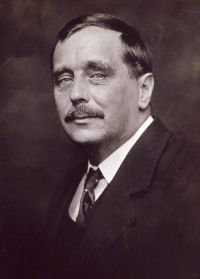
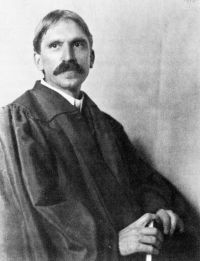
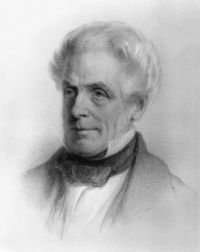
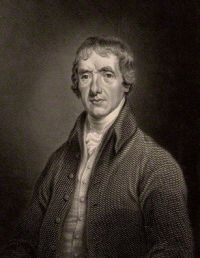
Habit, defined as an action so deeply internalized it becomes unconscious, shapes human behavior and character. Charlotte Mason emphasized its power to override nature, comparing it to "ten natures," while William James framed virtues and vices alike as ingrained patterns shaping destiny. H.G.
Wells highlighted how repeated actions transform into essential needs, and John Dewey saw habits as fundamental to self-identity. These perspectives reveal habit as a force that molds thought, action, and personality, intertwining with concepts like character, repetition, and will. Its influence, both constructive and constraining, underscores its centrality in understanding human nature.
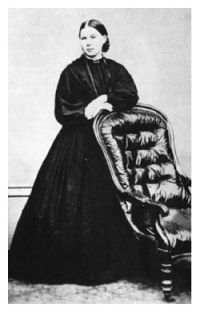 Charlotte Mason,
Parents and Children
Charlotte Mason,
Parents and Children