Summary

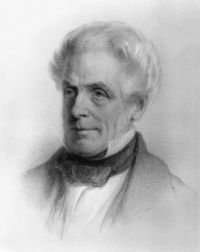
Portrait of Isaac Taylor Isaac Taylor History of the transmission of ancient books to modern times (1859)

Every city of the ancient world, where civilization had made any progress, was crowded with columns, statues, busts, monuments, inscriptions, by which every memorable event, and every illustrious personage, was perpetually presented to the regards of the people, and was retained in their recollection. It is certain that this monumental and sculptural mode of embodying a people’s history obtained to a far greater extent in ancient cities than it does in those of our times. And so it was that to visit a city—to pace its public ways—to enter its temples and its halls, was to peruse its history.
Source: Gutenberg

Portrait of Isaac Taylor Isaac Taylor History of the transmission of ancient books to modern times (1859)

The people to whom these comparatively diminutive, and yet faultless structures belonged, manifestly, were not masters of boundless national wealth; but their intelligence so much exceeded their resources that they at once reached the highest point of art, which is to induce upon its materials a new value—a value so great, that the mere cost of the work is forgotten. In surveying the Egyptian temples we wonder at the wealth that could suffice to pay for them; in viewing those of Greece we only admire the genius of the architect who imagined them, and the taste of the people who admired them.
Source: Gutenberg

Portrait of Isaac Taylor Isaac Taylor History of the transmission of ancient books to modern times (1859)

Especially the intaglios—the indented sculptures, are, for the most part, as perfect and sharp now as they were eighteen hundred years ago. What is it, then, that these gems of art bring under our modern eyes?—it is the very same ideal personages of the same mythology;—and the symbols are the same, and the air, and the grace, and the attributes of beauty and power are the same;—there is the same sensuousness—there are the same ambiguous adventures;—there is the same poetry and the same art—poetry and art, admirable, indeed, how much soever it may be open to censure as to its moral quality.
Source: Gutenberg

Get perspective with Kwize: daily news enlightened by great literature