A monument is an imposing structure or artifact created to honor a person, event, or cultural heritage, often embodying historical, artistic, or political significance. From ancient megaliths to contemporary memorials, monuments serve as tangible links between past and present. Authors like John Ruskin highlighted their role as lasting symbols of human achievement, while Henry David Thoreau doubted their capacity to endure the legacies they seek to immortalize.
Daniel C. Eddy imagined monuments as spiritual tributes to moral victory, surpassing physical form. These differing viewpoints illustrate monuments as contested yet essential markers of shared memory, reflecting both societal ideals and the challenges involved in safeguarding history.
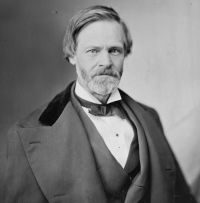 John Sherman,
Recollections of Forty Years in the House…
John Sherman,
Recollections of Forty Years in the House…