A record denotes a written account, testimony, or memorial of events, achievements, or knowledge, serving as a bridge between past and future. From John Wilson Townsend’s longing for a “time-stained chronicle” to Roy B. Kester’s assertion that records form the bedrock of human knowledge, the theme underscores their role as both historical anchors and guides for progress.
William Walker Atkinson likens memory to a “record file,” while Charles Horton Cooley emphasizes records as spontaneous products of human creativity. These perspectives reveal records as essential yet imperfect tools, shaping understanding while acknowledging their limitations. The concept thus intertwines with history, evidence, and documentation, reflecting humanity’s enduring quest to preserve and interpret experience.
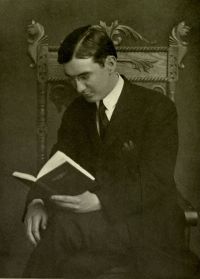 John Wilson Townsend,
Kentucky in American Letters, 1784-1912…
John Wilson Townsend,
Kentucky in American Letters, 1784-1912…