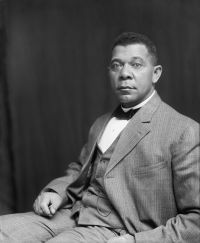
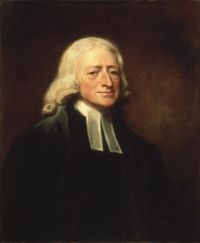
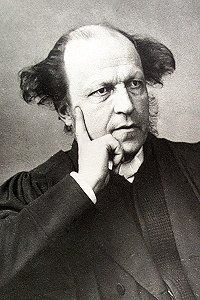
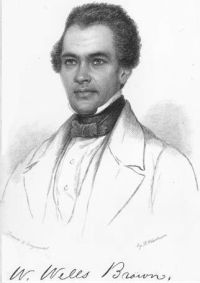
Skill, defined as the learned or innate ability to perform actions with precision and efficiency, includes both specific competencies, such as operating machinery, and more general ones like leadership or time management. Authors have long examined its nuances: John Ruskin connected it to the interaction of experience, intellect, and passion in manual labor, while Joseph Conrad stressed that true mastery goes beyond technical expertise, adding "love and pride" to elevate work toward artistry.
Homer’s Iliad praised skill as a refined inner grace that surpasses brute strength, and John Henry Newman emphasized its role in fostering professional excellence through personal wisdom. These viewpoints highlight skill’s dual character—as both a technical capability and a refined human quality—linking natural talent with intentional practice, and serving as a foundation for personal and societal progress.
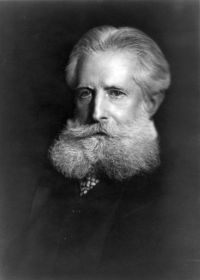
 John Ruskin,
Time and Tide by Weare and Tyne
John Ruskin,
Time and Tide by Weare and Tyne