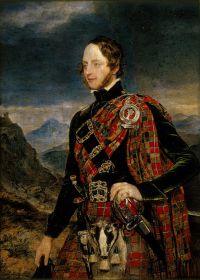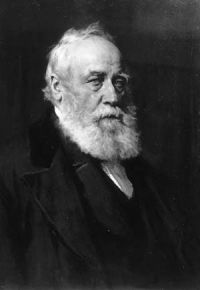
W. F. Skene

Biographical details

Portrait of W. F. Skene W. F. Skene Celtic Scotland: a history of ancient Alban… (1886)

There is perhaps no more beautiful character recorded in history than that of Margaret. For purity of motives, for an earnest desire to benefit the people among whom her lot was cast, for a deep sense of religion and great personal piety, for the unselfish performance of whatever duty lay before her, and for entire self-abnegation, she is unsurpassed, and the chroniclers of the time all bear testimony to her exalted character.
Source: Gutenberg

Portrait of W. F. Skene W. F. Skene Celtic Scotland

Clans are no longer what they were. The purposes for which they once existed, as tolerated but not as sanctioned societies, are not now lawful. To all practical purposes they cannot legally act, and they do not legally exist. The law knows them not. For peaceful pageantry, social enjoyment, and family traditions, mention may still be made of clans and chiefs of clans; but the Highlands of Scotland, no longer oppressed by arbitrary sway, or distracted by feudal contentions, are now inhabited by loyal, orderly, and peaceful subjects of the Crown of Great Britain
Source: Gutenberg

Portrait of W. F. Skene W. F. Skene Celtic Scotland: a history of ancient Alban… (1886)

Whatever may be the traces of a higher and more advanced mythology among the Irish, we can see from the questions of the king’s daughter that the objects of the popular belief were rather the personified powers of nature. Mysterious beings, who were supposed to dwell in the heavens or the earth, the sea, the river, the mountain, or the valley, were to be dreaded and conciliated. These they worshipped and invoked, as well as the natural objects themselves in which they were supposed to dwell; and this conception of them runs through the early history of Ireland during the pagan period.
Source: Gutenberg

Get perspective with Kwize: daily news enlightened by great literature