Summary

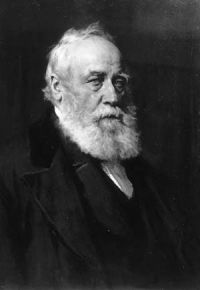
Portrait of W. F. Skene W. F. Skene Celtic Scotland: a history of ancient Alban… (1886)

There is perhaps no more beautiful character recorded in history than that of Margaret. For purity of motives, for an earnest desire to benefit the people among whom her lot was cast, for a deep sense of religion and great personal piety, for the unselfish performance of whatever duty lay before her, and for entire self-abnegation, she is unsurpassed, and the chroniclers of the time all bear testimony to her exalted character.
Source: Gutenberg

Portrait of W. F. Skene W. F. Skene Celtic Scotland: a history of ancient Alban… (1886)

The monastic character of the church gave, however, a peculiar stamp to her missionary work which caused her to set about it in a mode well calculated to impress a people still to a great extent under the influence of heathenism. It is difficult for us now to realise to ourselves what such pagan life really was—its hopeless corruption, its utter disregard of the sanctity of domestic ties, its injustice and selfishness, its violent and bloody character; and these characteristics would not be diminished in a people who had been partially Christianised and had fallen back from it into heathenism.
Source: Gutenberg

Portrait of W. F. Skene W. F. Skene Celtic Scotland: a history of ancient Alban… (1886)

But we, who having, many days before, made confession of our sins, are chastened with penance, worn with fasts, and washed from the stains of our sins with alms and tears, on the day of the Lord’s resurrection, approaching his table in Catholic faith, partake of the flesh and blood of the immaculate Lamb Jesus Christ, not to judgment but to the remission of our sins, and to the salutary preparation for the enjoyment of eternal blessedness.’ Having nothing to oppose to these propositions, they afterwards observed the rules of the church in the reception of this life-giving mystery.
Source: Gutenberg

Get perspective with Kwize: daily news enlightened by great literature