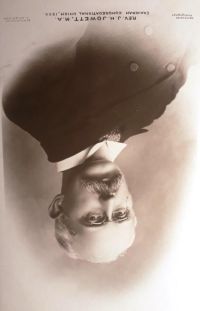
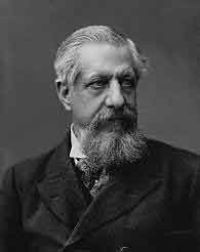
Reign, the period of a monarch's rule, has long been a central theme in literature, symbolizing power, legacy, and the intricacies of governance. Authors have examined it from various perspectives: Victor Hugo portrayed it as a "dictation," where sovereignty resides in the "muffled voice," while John Henry Jowett compared human monarchy to a "midge's reign" on a summer night, contrasting it with divine kingship.
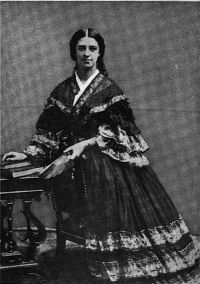
William Hazlitt emphasized its vulnerability, pointing out how even a "fortunate and peaceful rule" could collapse under political turmoil. Letitia Elizabeth Landon, on the other hand, praised the potential of reign to attain "the pure, enlightened triumphs of the mind." These viewpoints together highlight reign as both an expression of authority and a delicate institution, influenced by human ambition and divine or moral considerations.
 Victor Hugo,
Man Who Laughs
(1869)
Victor Hugo,
Man Who Laughs
(1869)