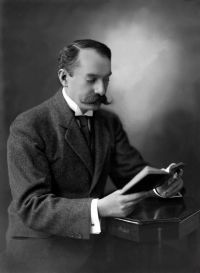
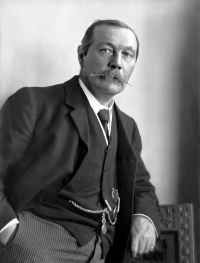
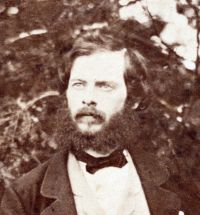
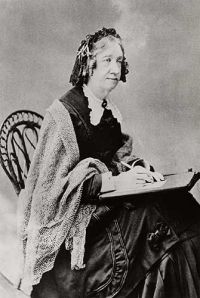
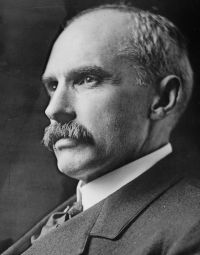
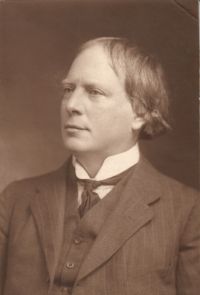
The armchair, a type of chair distinguished by its supportive arms and relaxed design, has long served as a central element in literary portrayals of rest, reflection, and human vulnerability. From Joseph Conrad’s depiction of a fragile figure “clinging to her native land” while nestled in an armchair to Eugène Sue’s idealized reflections on its comforts, the object represents both physical relaxation and symbolic significance.
Maurice Renard invests it with memory, envisioning a chair as a container for ancestral presence, while G. K. Chesterton humorously reimagines its arms as “the arms of a patient domestic.” These diverse viewpoints highlight the armchair’s dual function as a refuge and a quiet observer of human life.
 Joseph Conrad,
Tales Of Hearsay
Joseph Conrad,
Tales Of Hearsay