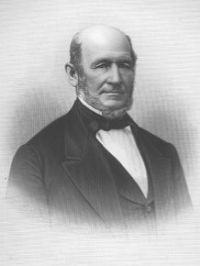
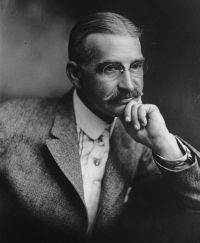
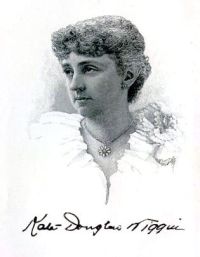
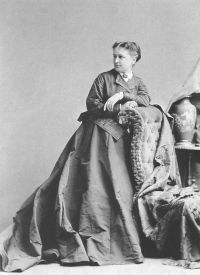
A quilt, a textile created by joining fabric pieces, represents both function and artistry. Authors such as Marie D. Webster emphasize its historical significance, portraying it as a symbol of endurance and cultural continuity, while John Seely Hart preserves quilting as a shared, joyful tradition.
Dorothy Canfield invests it with storytelling power, connecting its lively designs to human feelings, and Nancy Huston Banks employs it as a touching, almost sacred item during times of grief. These diverse viewpoints illustrate the quilt as a complex artifact—grounded in skill yet surpassing it, linking the domestic sphere with narrative expression.
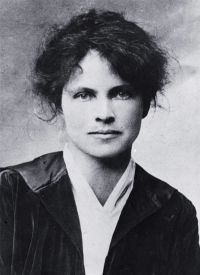 Dorothy Canfield,
Hillsboro People
(1915)
Dorothy Canfield,
Hillsboro People
(1915)