Treasure, derived from the Latin thesaurus, refers to a concentrated accumulation of wealth—often concealed or lost—rekindling value when rediscovered. This idea encompasses material riches, such as pirate hoards hidden in remote locations, as well as symbolic meanings, like spiritual or intellectual wealth. Authors have long examined its dual nature: Robert Louis Stevenson’s Treasure Island immortalized the allure of buried gold, while Henry James marveled at its artistic and historical significance.
William Morris evoked legendary treasures as mythical artifacts, and Oksana Bugayova redefined it as an inner, concealed soulful essence. Meanwhile, Isaac Watts and Alexander Maclaren elevated treasure to a spiritual symbol, emphasizing divine grace and moral responsibility. These diverse perspectives reveal treasure as both a physical pursuit and a metaphor for human ambition, legally and culturally intertwined with ideas of possession and legacy.
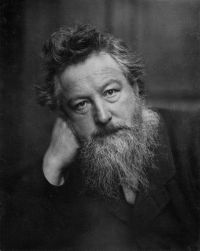 William Morris,
A Selection from the Poems of William Morris
William Morris,
A Selection from the Poems of William Morris