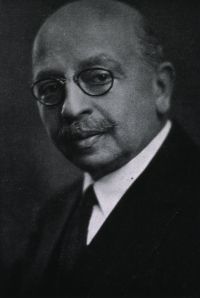
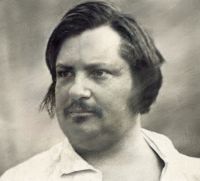
The concept of "fragment" refers to a part of an object separated from its original whole, embodying themes of rupture, incompleteness, and recombination. Authors have examined this idea through diverse perspectives: Berthold Auerbach contrasts the lasting unity of a stone’s pieces with the breakdown of a flower, while Giovanni Gentile critiques humanity’s division into separate roles.
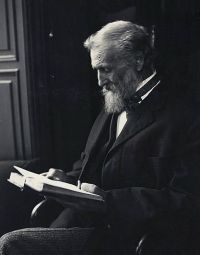
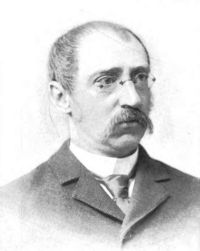
John Muir, by contrast, argues that even natural fragments maintain a harmonious completeness. Alexander Maclaren emphasizes how small textual pieces leave lasting impressions on collective thought, and Jean-Henri Fabre views them as vital components of a broad, evolving tapestry. These viewpoints together highlight the tension between fragmentation as a form of loss and its capacity to create new forms of wholeness.
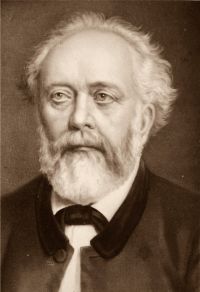 Berthold Auerbach,
On the Heights: A Novel
Berthold Auerbach,
On the Heights: A Novel