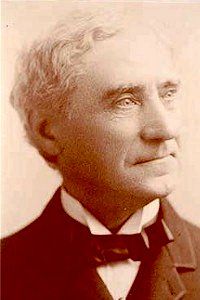
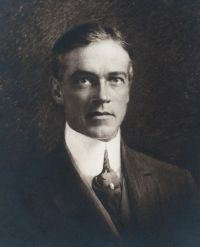
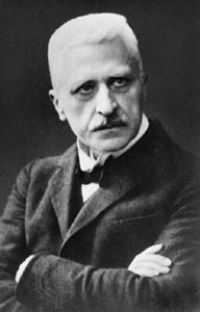
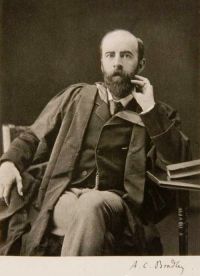
Wholeness, the condition of being complete or unified, has been a recurring theme in literature and philosophy, examining the relationship between unity, harmony, and the transcendent. Ralph Waldo Emerson associated it with human reason and the ideal of perfection, while Josiah Royce viewed it as a metaphysical totality in which fragments find their place.
George Santayana highlighted its spiritual immortality, and Proclus pondered how the singular encompasses multiplicity. Writers from Emerson to William James depicted wholeness as both a philosophical ideal and a personal experience, connecting the finite with the infinite. This theme ultimately reflects humanity’s pursuit of reconciling diversity with unity, searching for meaning in the interaction of parts and the whole.
 Ralph Waldo Emerson,
Letters and social aims
(1875)
Ralph Waldo Emerson,
Letters and social aims
(1875)