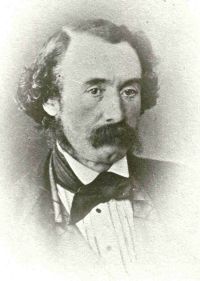
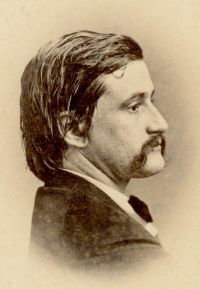
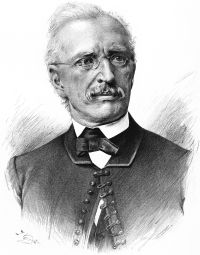
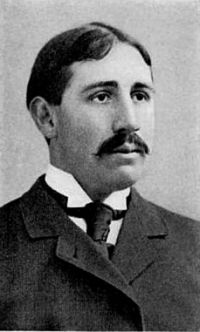
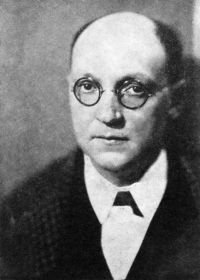
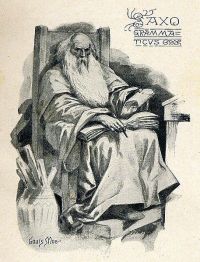
The mortar, a bowl-shaped vessel used to grind substances with a pestle, has fulfilled both practical and symbolic functions across literature. From Josef Štefan Kubín’s folk tale, where it becomes a token of a dangerous exchange, to John Florio’s 16th-century dictionary defining it as both a tool and a metaphor for mortality, the motif goes beyond utility.
Robert Mallet investigates its structural role in masonry, while Erich Maria Remarque conjures its unsettling echo in the aftermath of war. Whether as a container for transformation, a symbol of delicacy, or a figure for violence, the mortar highlights humanity’s relationship with materiality and transience.
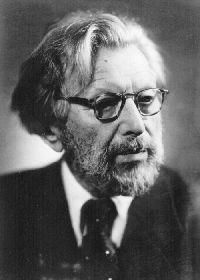 Josef Štefan Kubín,
Czech Folk Tales
(1917)
Josef Štefan Kubín,
Czech Folk Tales
(1917)