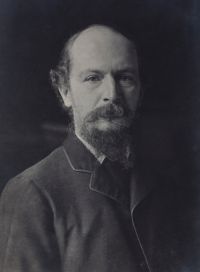
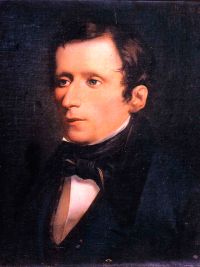
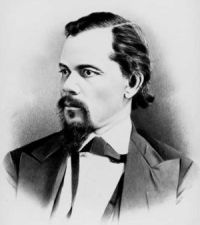
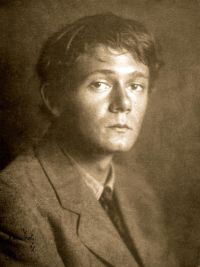
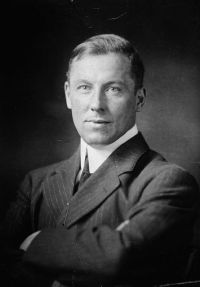
Death, a universal literary theme, has long fascinated writers as they grapple with its inevitability, transcendence, and emotional weight. From Emma Lazarus’s meditation on the soul’s liberation from the body to Roden Noel’s portrayal of death as a "buried" yet symbolic force, authors have explored mortality through contrasting perspectives—ranging from Alphonse de Lamartine’s reverent acceptance to Algernon Swinburne’s bold challenge to death’s sanctity.
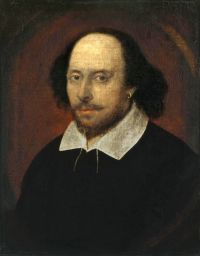
John Milton envisions triumph over death’s "mortal sting," while Giacomo Leopardi questions its nature as a collective disaster. Whether framing death as a shedding of earthly forms, a trial of human resilience, or a catalyst for spiritual awakening, these works collectively underscore its dual role as both an end and a transformative passage.
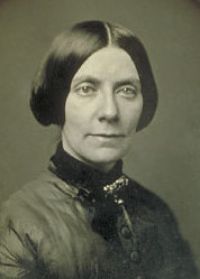
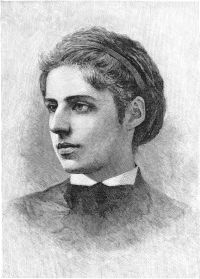 Emma Lazarus,
The Poems of Emma Lazarus, Volume 2
Emma Lazarus,
The Poems of Emma Lazarus, Volume 2