Tinsel

Definition and stakes

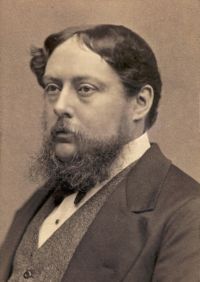
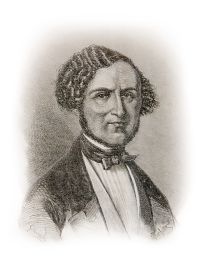
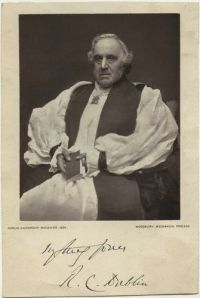
Portrait of Richard Chenevix Trench Richard Chenevix Trench,  A select glossary of English words used formerly in senses different from their present (1890)

“ Wiclif.
Tinsel. This (the Old French ‘estincelle,’ a spark) is always now cheap finery, flashing like silver and gold, but at the same time pretending a value and a richness which it does not really possess. There lay no such insinuation of pretentious splendour in its earlier uses. A valuable note in Keightley’s Milton, vol. i. p. 126, makes it, I think, clear that by ‘tinsel’ was commonly meant ‘a silver texture, less dense and stout than cloth of silver;’ yet not always, for see my first quotation.
”
Source: Gutenberg

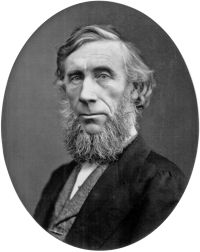
Portrait of John Milton John Milton,  Milton's Comus

“ The ‘permanent epithet’ of Thetis, a daughter of Nereus and mother of Achilles, is “silver-footed” (Gk. ἀργυρόπεζα) . Comp. Neptune’s Triumph (Jonson) :
“And all the silver-footed nymphs were drest
To wait upon him, to the Ocean’s feast.”
‘Tinsel-slippered’ is a paraphrase of this, for ‘tinsel’ is a cloth worked with silver (or gold) : the notion of cheap finery is not radical. Etymologically, tinsel is that which glitters or scintillates. On the beauty of this epithet, and of Milton’s compound epithets generally, see Trench, English Past and Present, p.
”
Source: Gutenberg

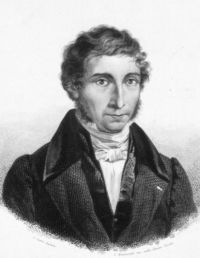
Portrait of Alphonse Daudet Alphonse Daudet,  The Nabob, Vol. 1 (of 2)

“ There is a smell of green wood, of fresh paint, of glistening varnish, and in the dust of the garrets, on the rickety stairways where the common people deposit all the mud through which they have tramped, chips of rosewood are strewn about, clippings of satin and velvet, bits of tinsel, all the débris of the treasures employed to dazzle childish eyes. ”
Source: Gutenberg

Get perspective with Kwize: daily news enlightened by great literature