Wax, a category of organic compounds distinguished by their pliability at room temperature and resistance to dissolving in water, includes natural substances such as beeswax and carnauba wax, as well as man-made alternatives. These substances, made up of extended hydrocarbon chains or esters, have both functional and creative uses.
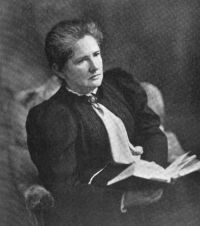
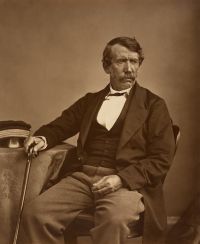
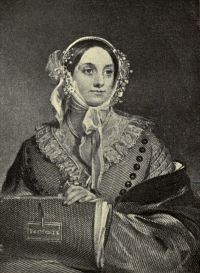
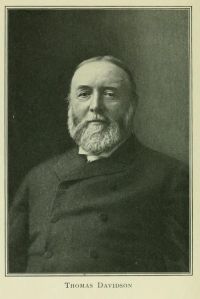
Writers like Emma Peachey examined wax's role in maintaining the beauty of flowers through modeling, while John Burroughs portrayed the bees' methodical production of wax as a sacred ritual. Alfred Neighbor described the biological mechanism by which bees secrete wax, emphasizing its link to honey consumption. Spanning industrial uses to artistic creation, wax connects science with culture, demonstrating its lasting adaptability as both a substance and a symbol.
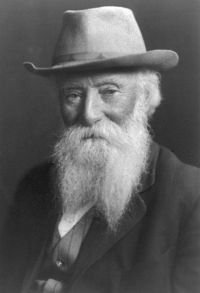 John Burroughs,
Birds and Bees, Sharp Eyes, and Other Papers
John Burroughs,
Birds and Bees, Sharp Eyes, and Other Papers