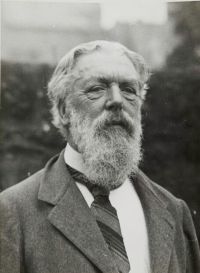
A comb, traditionally defined as a decorative or functional object with teeth for managing hair, has evolved into a multifaceted symbol across disciplines. From Andrew Ure’s practical description of its role in grooming to John Tyndall’s scientific examination of its electrostatic characteristics, the comb connects utility with curiosity.
Philosophers like Plato associated it with broader processes of division and composition, while Alfred Haddon incorporated it into anthropological narratives. Even in industrial contexts, as noted by Various in Popular Science Monthly, combs exemplify efficiency and innovation. These diverse perspectives reveal the comb as both a commonplace tool and a medium for deeper exploration of nature, art, and human creativity.
 Alfred C. Haddon,
Evolution in Art: As Illustrated by the Life-histories of Designs
Alfred C. Haddon,
Evolution in Art: As Illustrated by the Life-histories of Designs