Summary

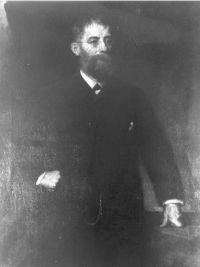
Portrait of John Call Dalton John Call Dalton A new system of chemical philosophy…

METALLIC OXIDES. All the metals are disposed to combine with oxygen, but the combination is effected more easily with some than with others; the compound is usually called an oxide, but in some instances it is also called an acid. The same metal combines with one, two, or perhaps more atoms of oxygen, forming compounds which may be distinguished according to Dr. Thomson, by the terms protoxide, deutoxide, tritoxide, &c.
Such however is the repulsion of oxygen to oxygen that we rarely find three atoms of it retained by a single atom of any kind
Source: Gutenberg

Portrait of John Call Dalton John Call Dalton A new system of chemical philosophy…

All modern experience concurs in shewing that the heat of combustion is primarily dependent on the quantity of oxygen combining. The heat evolved by the combustion of phosphorus and hydrogen is very nearly, if not accurately, in proportion to the oxygen spent. The heat by the combustion of charcoal is not in a much less ratio: and I find the heat in burning carbonic oxide, carburetted hydrogen and olefiant gas is the same as in burning hydrogen gas, provided the combining oxygen is the same.
Source: Gutenberg

Portrait of John Call Dalton John Call Dalton A new system of chemical philosophy…

It is plain then that oxygen gas or any other elastic fluid, may have a small specific heat in the sense above defined, and yet have an almost unlimited quantity of heat. I am not aware of any one established fact that does not admit of an explanation upon the hypothesis that heat exists in definite quantities in all bodies, and is incapable of any change, except perhaps into one of the other equally imponderable bodies, light or electricity.
Source: Gutenberg

Get perspective with Kwize: daily news enlightened by great literature