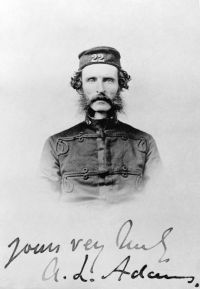
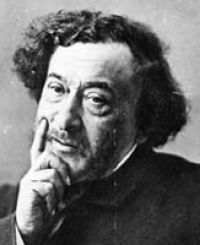
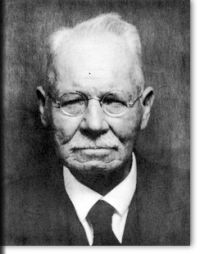
The concept of a tooth refers to a physical projection, often arranged in a row, analogous to the dental structures found in organisms. This theme has been examined through anatomical, cultural, and functional perspectives by authors such as Frederick Gymer Parsons, who described teeth's structural components in Encyclopædia Britannica, and William James, who explored their sensory impact in The Principles of Psychology.
Others, like John Gregory Bourke, emphasized teeth's symbolic significance in amulets and rituals, while Richard Cole Newton focused on their biological adaptability. These viewpoints collectively highlight the tooth's dual function as both a practical organ and a cultural object, linking biology, medicine, and human tradition.