Incisor

Definition and stakes

Richard Lydekker,  1911 Encyclopædia Britannica (1911)

“ The dentition is i 3/3, c 1/1, p 4/3, m 3/3, total 42. Of the upper incisors the first and second are nearly equal, with short, broad crowns, the third is large and conical, considerably larger than the canine, which is separated from it by an interval. Lower incisors diminishing in size from the first to the third; the canine, which is in contact with the third incisor, large and conical, working against (and behind) the canine-like third upper incisor. In both jaws there is a long space between the canines and the commencement of the teeth of the cheek-series, which are all in contact. ”
Source: Wikisource

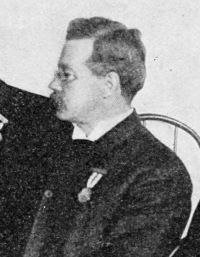
Portrait of Frederic Brewster Loomis Frederic Brewster Loomis,  The Deseado Formation of Patagonia (1914)

“ The first upper incisor is a small cropping tooth, with a well-developed cingulum high up on the inner face, which, when the tooth is worn down to the proper level, unites with the main part of the crown and incloses for a short time a small pit. On the external face there is also a feeble cingulum near the base of the enamel. The second incisor is greatly enlarged into a caniniform tush. In the species L. oxyrhynca, this tooth is much smaller but as this reduction of the tushes is the only difference, I consider these forms as the female. ”
Source: Gutenberg

Elisha Noyce,  Outlines of Creation

“ Their incisor teeth are two in front of each jaw, and are chisel-shaped and very sharp; they are so constructed that they shall be kept sharp by being used, which is effected by the hardest part or enamel being in front in a thin layer, so that it is not so easily worn away as the bony part. ”
Source: Gutenberg

Get perspective with Kwize: daily news enlightened by great literature