“ Albrecht sat upright at the table. He held his thin, strangely sensitive-looking hands crossed on the table-edge in front of the tall, half-empty glass of milk, and his eyelids dropped, and he sucked his underlip against his upper. He answered quietly: “I'm not surprised that so popular a prince as you should be contented with his lot. I for my part decline to express somebody else in my own person—I decline to, say, and you may think it's a case of sour grapes as much as you like. The truth is that I care for the ‘Hi!’ of the people just as little as any living soul possibly could care. ”
Albrecht
Definition and stakes
The concept of "Albrecht" appears across literature and historical analysis as a complex figure, frequently representing themes of authority, selfhood, and the intricacies of human nature. Thomas Mann presents Albrecht as a prince wrestling with responsibility and emotional control in Royal Highness, emphasizing his struggle between public obligations and personal truth. Historians such as J. N.
Larned view him as a crucial but imperfect leader in German history, while Maurice Baring portrays him as a troubled musician driven by competition. Other writers, including Arlo Bates and Jennette Lee, examine Albrecht’s personal relationships and artistic influence, showcasing his dual role as both an emblem and a fallible person. These diverse depictions together highlight Albrecht’s lasting significance as a framework for exploring ideas of aspiration, creativity, and human vulnerability.
Quotes about “Albrecht”
“ When Albrecht had finished, Klaus Heinrich stepped one pace sideways, closed his heels with a fresh salute, and said: “I beg, dear Albrecht, to offer my heart-felt and respectful thanks, in my own name and that of the whole country. For it is you in the long run who make all these blessings possible, and the redoubled love of the people will be your reward for your magnanimous resolutions.” ”
“ But Albrecht had faced Death, yet never cried on any condition. He stuck his short, rounded underlip a little forward, and sucked it lightly against the upper one—that was all. He was most superior. The Swiss governess referred in so many words to him in matters of comme il faut as a model. He had never allowed himself to converse with the gorgeous creatures who belonged to the court, not exactly men and human beings, but lackeys—as Klaus Heinrich had sometimes done in unguarded moments. For Albrecht was not curious. ”
Related terms
Authors who wrote about “Albrecht”
 Arlo Bates
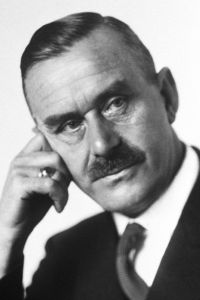 Thomas MannVarious
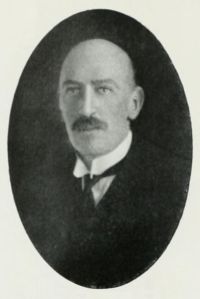 Maurice Baring
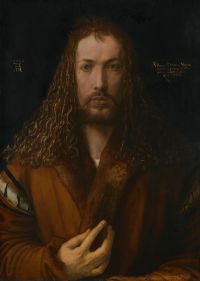 Albrecht Dürer
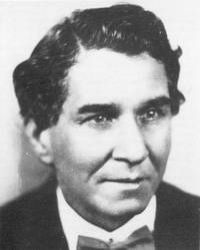 Matthew Phipps Shiel
 Charlotte M. Yonge
 Jennie Ellis KeysorJ. N. Larned
 Jennette Lee
 F. Max Müller
 Sigismund von HerbersteinJane Scott WoodruffJames GrantAlexander von Humboldt
 E. WernerFürst von Hermann Pückler-Muskau
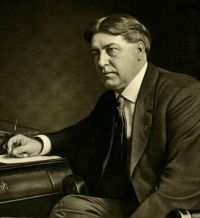 Randall Parrish
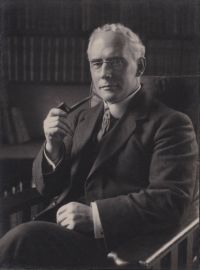 Albert Frederick Pollard