Summary

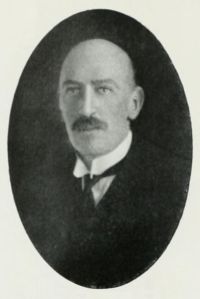
Portrait of Maurice Baring Maurice Baring Orpheus in Mayfair, and Other Stories and Sketches

In the corner lay a woman, and in her arms was a child and his face shone like the sun and lit up the whole place, in which there were neither torches nor lamps. The door of the manger was ajar, and through it he saw the sky and the strange star still shining brightly. He heard a voice, the same voice which he had heard twelve nights before; but the voice was not calling him, it was singing a song, and the song was as it were a part of a larger music, a symphony of clear voices, more joyous and different from anything he had ever heard.
Source: Gutenberg

Portrait of Maurice Baring Maurice Baring Orpheus in Mayfair, and Other Stories and Sketches

During that time Petrushka and Tatiana walked in the apple orchard in the evening and they talked to each other in the divinest of all languages, the language of first love, which is no language at all but a confused medley and murmur of broken phrases, whisperings, twitterings, pauses, and silences—a language so wonderful that it cannot be put down into speech or words, although Shakespeare and the very great poets translate the spirit of it into music, and the great musicians catch the echo of it in their song.
Source: Gutenberg

Portrait of Maurice Baring Maurice Baring Orpheus in Mayfair, and Other Stories and Sketches

And I shall be avenged; for all thy sons shall suffer what I have suffered; and there is not one of them that shall escape the doom and not share the fate of Marsyas the Satyr, whom thou didst cruelly slay. The music and the skill which shall be their inheritance shall be the cause to them of sorrow and grief unending and pitiless pain and misery. Their life shall be as bitter to them as my death has been to me. Their music shall fill the world with sweetness and ravish the ears of listening nations, but to them it shall bring no joy
Source: Gutenberg

Get perspective with Kwize: daily news enlightened by great literature