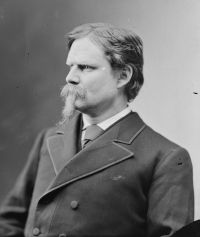
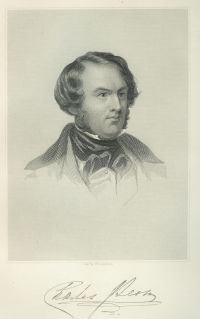
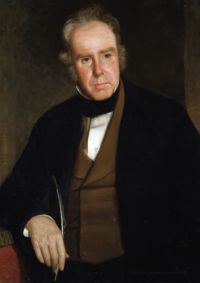
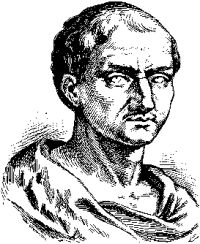
The concept of a nobleman encompasses a social class historically defined by hereditary status, privilege, and moral obligation. Authors such as Berthold Auerbach emphasized the nobleman’s duty to uphold "noblesse oblige," while Ralph Waldo Emerson reimagined the role as one of societal guidance through intellectual and ethical leadership.
Theophilus Cibber and Samuel Johnson critiqued or idealized the nobleman’s potential to embody dignity and moral purpose, reflecting varied perspectives on their responsibilities. These interpretations collectively underscore the nobleman’s symbolic intersection of heritage, power, and ethical stewardship within societal structures.
 Berthold Auerbach,
Villa Eden: The Country-House on the Rhine
Berthold Auerbach,
Villa Eden: The Country-House on the Rhine