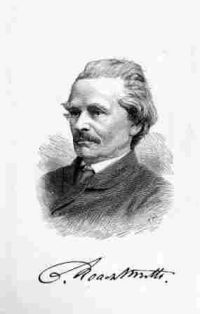
Heritage, broadly defined, refers to the legacy of values, possessions, and experiences passed down through generations. Authors have long explored this theme, framing it as both a moral burden and a source of identity. In The Lady of Lyons, Bulwer Lytton portrays heritage as a redemptive duty, tied to honor and conscience, while the Bible’s Jeremiah laments a lost inheritance threatened by external forces.
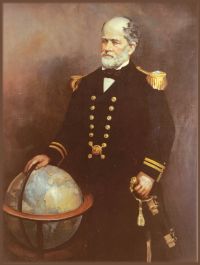
Matthew Fontaine Maury celebrates heritage as a nation’s fertile land and its exemplary citizens, contrasting with Burton Egbert Stevenson’s poetic meditation on wealth’s paradoxes. Meanwhile, Macaulay underscores heritage as a collective human achievement, bridging past and present. These varied perspectives reveal heritage as a multifaceted concept, intertwining personal responsibility with shared history.