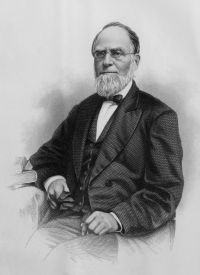
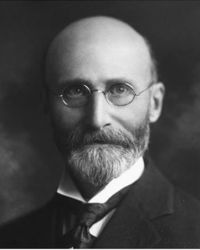
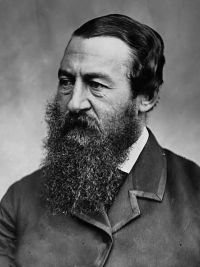
A landmark denotes a significant reference point, whether geographical, historical, or symbolic. Authors have long examined its dual role as a tangible marker and a metaphor for lasting legacy. Alexander Maclaren reflects on landmarks as fleeting yet meaningful symbols of human effort, while Geo. R. Corner emphasizes their sacred and legal significance in biblical contexts.
Thomas Miller and Elias Lyman Magoon view landmarks as historical milestones, connecting past and present. Joseph Conrad contrasts their destruction with the rise of new guides, and Lydia Huntley Sigourney associates them with nature’s eternal beauty. These perspectives reveal landmarks as both physical anchors and evolving symbols of memory and direction.
 Alexander Maclaren,
Expositions of Holy Scripture: St…
Alexander Maclaren,
Expositions of Holy Scripture: St…