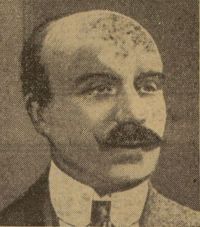
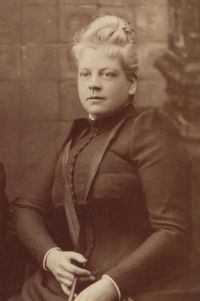
Fresco, a mural painting technique applied to wet plaster, has long been celebrated for its fusion of artistry and material durability. From its anonymous Egyptian origins, as noted in its brief description, to its Renaissance mastery, the theme resonates across literary and artistic discourse. Authors like Israel Zangwill evoke its "magic casement" as a portal to timeless artistry, while Evelyn March Phillipps highlights its damaged yet enduring beauty through vivid portraiture and landscape.
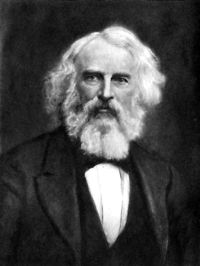
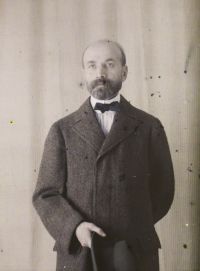
I. B. Supino admires the "real mastery" of fresco craftsmanship, contrasting it with modern conservation challenges. Meanwhile, Henry David Thoreau metaphorically contrasts fresco’s "flat and bounded" form with nature’s fluidity, and Fredrika Bremer marvels at its lifelike intensity. These varied perspectives underscore fresco’s dual role as both a technical accomplishment and a cultural reflection, bridging historical specificity with universal aesthetic resonance.
 Israel Zangwill,
Italian Fantasies
Israel Zangwill,
Italian Fantasies