Michelangelo

Definition and stakes

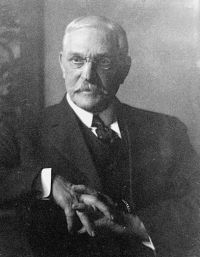
Edward C. Strutt Michelangelo (1904)

Michelangelo's system of working was as powerful and original as his art. Before he began a statue he could already discern the finished masterpiece lurking within the rough-hewn block of marble, which he would attack with reckless assurance, great splinters flying in all directions as he feverishly cut away the waste stone, and saw the figure spring slowly into life under his magic chisel.
Source: Gutenberg

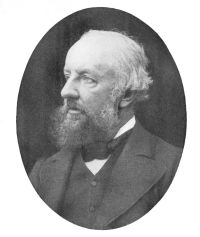
Portrait of Sidney Colvin Sidney Colvin 1911 Encyclopædia Britannica, Volume 18… (1911)

Michelangelo’s poetical style is strenuous and concentrated like the man. He wrote with labour and much self-correction; we seem to feel him flinging himself on the material of language with the same overwhelming energy and vehemence with which contemporaries describe him as flinging himself on the material of marble—the same impetuosity of temperament combined with the same fierce desire of perfection, but with far less either of innate instinct for the material or of trained mastery over its difficulties.
And so the mighty sculptor, painter, and poet reached old age.
Source: Wikisource

Edward C. Strutt Michelangelo (1904)

The hands and strong bare arms of the Moses are magnificent, beyond comparison the finest ever modelled by Michelangelo. The expression of the face is one of commanding power and almost fierce energy, a face capable of inspiring terror rather than love, a veritable embodiment of the cruel, uncompromising Hebrew legislation. The powerful, massive form is clearly apparent beneath the beautiful folds of the draperies, for here, as in all Michelangelo's clothed figures, whether in painting or in sculpture, dress does not hide but almost enhances the shape and beauty of the body.
Source: Gutenberg

Get perspective with Kwize: daily news enlightened by great literature