Ludwig van Beethoven

Definition and stakes

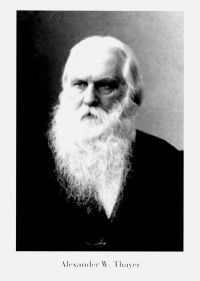
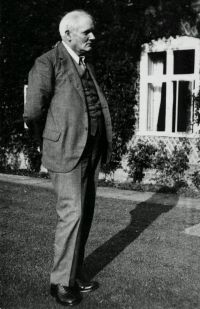
Alexander Teetgen Beethoven's Symphonies Critically Discussed

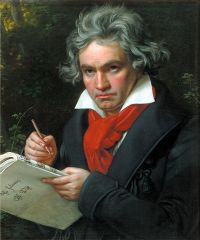
There he sits—look at him well—the fullest incarnation of music, till now the greatest home, emporium, and royal residence of musical power, with all which that implies—including, lowest down, the ineffable; for, always, a man is tender in proportion as he is strong, great in proportion as he is good—Ludwig van Beethoven, in his divine genius and terrible infliction (one of the most painful ironies of human history—like a fate out of high Greek story) , one of the most intensely interesting of the race of men!
Source: Gutenberg

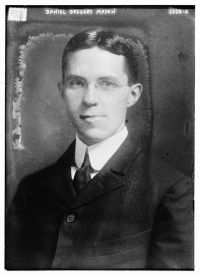
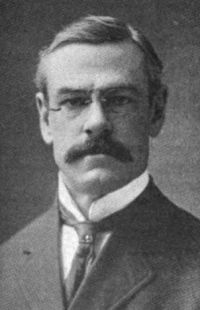
Portrait of Daniel Gregory Mason Daniel Gregory Mason The Appreciation of Music - Vol…

In 1791, when Mozart died, and when Haydn made his first journey to London to produce his Salomon symphonies, Ludwig van Beethoven, born in 1770, was just entering on his young manhood.
In order to understand the character and work of Beethoven, it is necessary constantly to bear in mind the two-sided [162] truth that the greatest men are those who combine the utmost receptivity and teachableness with a perfect self-dependence and fearless initiative. Beethoven, who is equally remarkable for both, could never have done what he did had he lacked either.
Source: Gutenberg

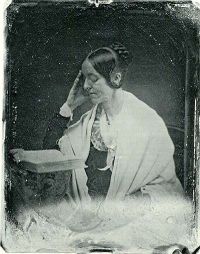
Pitts Sanborn Ludwig van Beethoven

If Beethoven’s best-known and most widely performed works are the nine symphonies, his chamber music represents the most far-reaching, diversified, profound, original, spiritualized, and at the same time the most problematic manifestations of his genius. It is through his quartets, when all’s said, that his influence has been most felt. In these dwell the germs of more or less everything out of which subsequent music has, in one way or another, developed. If Beethoven may be called a “musician of the future” it is by reason of his sixteen string quartets more than by anything else.
Source: Gutenberg

Get perspective with Kwize: daily news enlightened by great literature