Ludwig Nohl

Biographical details

Ludwig Nohl,  Life of Mozart (1880)

“ It is hard to find before Mozart, except it be in national melodies, anything of this living, animated, thoroughly personal expression of feeling, such as we possess in this Non so d’onde viene. It is like Aloysia’s picture itself. Here we find a language plainer and more universally intelligible than words. It charms and enchants us; looks us in the face; speaks to us with an expression as if we alone were addressed. This is the highest, the very highest effect of art, and this the time when it becomes a second, an ideal, a transfigured life. ”
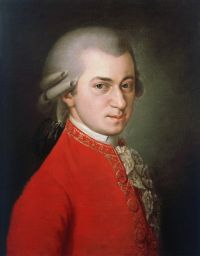
Source: Gutenberg

Ludwig Nohl,  Life of Liszt (1880)

“ But the most extraordinary thing about Liszt is his wonderful variety of expression and play of feature. One moment his face will look dreamy, shadowy, tragic, the next, insinuating, amiable, ironical, sarcastic, but always the same captivating grace of manners. He is a perfect study. He is all spirit, but half the time at least, I should say, a mocking spirit. All Weimar adores him, and people say that women still go perfectly crazy over him. When he goes out every one greets him as if he were a king. Liszt looks as if he had been through everything, and has a face seamed with experience. ”
Source: Gutenberg

Ludwig Nohl,  Life of Beethoven (1880)

“ We here find, as in the last tones of Mozart’s soul, the germs of a new and deep-felt language of the heart, a real personal language, acquired to humanity for the expression of its deepest secrets, and which, in our own day, has led to the most touching soul-pictures in art—to the transfiguration of Isolde, and to Bruennhild’s dying song of redeeming love.
A mighty seriousness overpowers him. The desolate horrors that surround him endow him with the power to understand more clearly the higher tasks of the mind in which his art had a living part.
”
Source: Gutenberg

Get perspective with Kwize: daily news enlightened by great literature