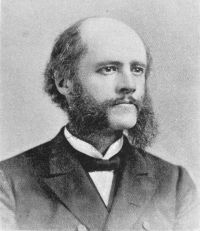
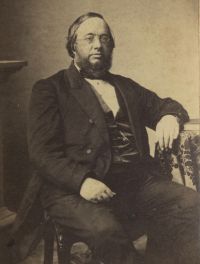
A trio, defined as a group of three individuals, has long served as a literary device to explore unity, diversity, and shared purpose. From Elias Lönnrot’s mythic trio uniting their “triple forces” in The Kalevala to Guy Boothby’s comically uniform trio in The Great Tipperary, authors have used this structure to emphasize both cooperation and contrast.
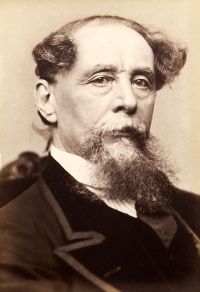
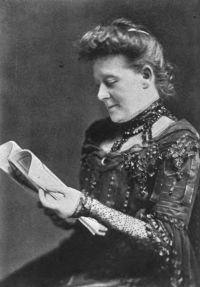
Charles Dickens portrays a trio linked by common interest, while Anne Hollingsworth Wharton recognizes their “ill-assorted” yet harmonious interactions. Ella Wheeler Wilcox elevates the idea, presenting Love, Work, and Faith as triadic forces that transcend time. These varied portrayals highlight the trio’s lasting role as a symbol of balance, resilience, and the dynamic between individuality and collective effort.
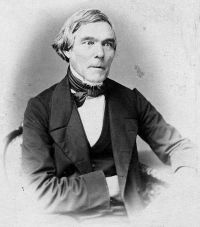 Elias Lönnrot,
The Kalevala — Rune XX
Elias Lönnrot,
The Kalevala — Rune XX