Fugue

Definition and stakes

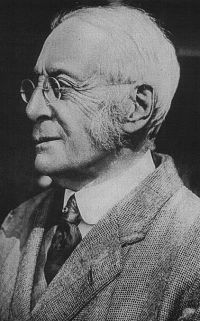
Portrait of Ebenezer Prout Ebenezer Prout,  Fugue (1891)

“ There is, probably, hardly any other form of composition in which there is so much room for variation of detail as the fugue. Beyond the fact that all fugues contain an exposition, a middle section, and a final section, there is little or nothing that they necessarily have in common. The one point to realize is, that a fugue should be, so to speak, an organic growth, the materials of which are to be developed mainly from the subject and its accompanying counterpoints. ”
Source: Wikisource

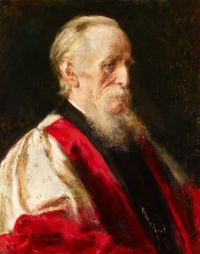
Portrait of Edward Berdoe Edward Berdoe,  The Browning Cyclopædia: A Guide to the Study of the Works of Robert Browning

“ This is a perfect description of a fugue, which even to the uninstructed listener is a musical wrangle plainly enough. In the fugue the organist sees a moral of life, with its zigzags, dodges, and ins and outs. Truth and Nature are over our heads. God’s gold here and there shines out in our soul-manifestations, if we would but let truth and Nature have their way with us, the gold would be all the plainer to see ”
Source: Gutenberg

Portrait of Ebenezer Prout Ebenezer Prout,  Fugue (1891)

“ As the last notes of this extract are the commencement of the first episode, we have here the complete exposition of the fugue. With the indications we have given of the entries of the subjects, &c., the student will easily understand it. In a fugue for so many voices and with so many subjects, it is not needful that each subject should be heard in every voice in the course of the exposition. ”
Source: Wikisource

Get perspective with Kwize: daily news enlightened by great literature