“ As it was, the chipmunk went over the crest of the hill a few rods ahead; but the gap lessened as his pursuer struck his gait and shot forward like an uncoiling spring. This time it seemed as if the chipmunk’s last chance for life were gone. Above ground he was out-paced. To go underground again meant certain death. A miracle had saved him before from the other weasel—but nature seldom deals in miracles twice. Yet the little animal never weakened. A rabbit so close to death would have quit and cowered down, crying piteously until the weasel’s teeth were in its throat. ”
Chipmunk
Definition and stakes
Chipmunks are small, striped rodents of the subtribe Tamiina, primarily found in North America, except for the Siberian chipmunk. Authors such as Samuel Scoville, Jr., John Burroughs, and John Muir have vividly portrayed these creatures in literature, emphasizing their nimble survival strategies, ecological functions, and relationships with predators like weasels.
Scoville’s dramatic accounts highlight their dangerous escapes, while Burroughs contrasts the chipmunk’s quiet alertness with the squirrel’s elegance. Muir, on the other hand, emphasizes their role as forest foragers, connecting their behavior to larger ecological processes. These portrayals collectively reveal chipmunks as both tenacious survivors and essential components of woodland ecosystems.
Quotes about “chipmunk”
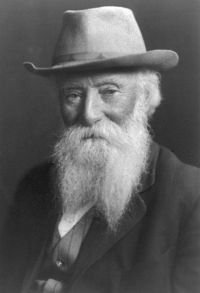 John Burroughs,
The Wit of a Duck and Other Papers
John Burroughs,
The Wit of a Duck and Other Papers
“ A chipmunk comes hurrying along with stuffed cheek-pouches, traveling more on the side of the wall than on the top, stopping every few yards to see that the way is clear, but giving little heed to me or to the performing squirrel. In comparison the chipmunk is a demure, preoccupied, pretty little busybody who often watches you curiously, but never mocks you or pokes fun at you; while the gray squirrel has the manners of the best-bred wood-folk, and he goes his way without fuss or bluster, a picture of sylvan grace and buoyancy. ”
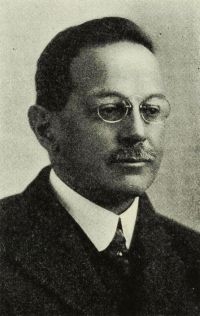 Samuel Scoville, Jr.,
Wild Folk
(1922)
Samuel Scoville, Jr.,
Wild Folk
(1922)
“ Yet, clumsy as its gait appeared, it was scarcely an instant before the bloody muzzle and red glaring eyes were thrust into the hole down which the chipmunk had disappeared. Much can be done, however, even in seconds, with a hair-trigger brain and nerves and muscles tensed by the fear of death. Like a flash, Chippy traversed the main passage of his burrow, dashed into a tunnel that forked off to the right, and then dived into a smaller branch, which angled off sharply from the larger tube. ”

Related terms
Authors who wrote about “chipmunk”
Samuel Scoville, Jr.Walter Woelber Dalquest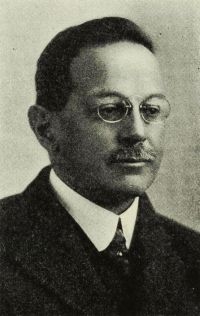 Samuel Scoville
 Charles Conrad AbbottVarious
 Thornton W. BurgessJohn Burroughs
 Dallas Lore SharpClara Dillingham Pierson
 John MuirEnos A. Mills
 William J. Long
 Ernest Thompson Seton
 David CoryCarolyn Sherwin Bailey
 Eleanor Stackhouse AtkinsonAllen ChaffeeF. Berkeley Smith
 Arthur Heming
 Stewart Edward White