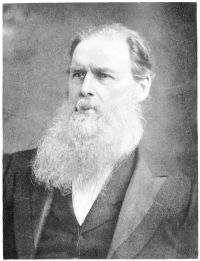
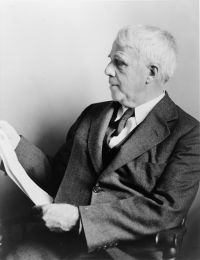
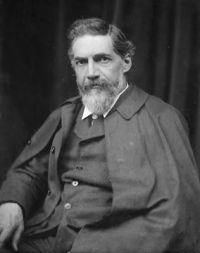
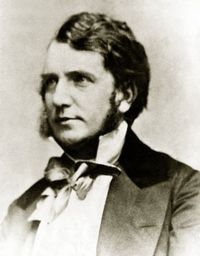
The concept of "ground" denotes a foundational reference point, both physically as Earth's surface and metaphorically as a base for stability. In literature, it embodies diverse dimensions: Sun Tzu categorizes it as strategic terrain in warfare, while Dickens evokes its symbolic absence in emotional turmoil.
Taine likens it to a spring spreading ideas, and Coleridge paints it as fertile, nurturing landscapes. Frost, meanwhile, frames it as a boundary to be mended. These varied depictions reveal "ground" as a dual lens—anchor and metaphor—reflecting human interaction with the tangible world and abstract underpinnings of thought.
 Charles Dickens,
Little Dorrit
Charles Dickens,
Little Dorrit