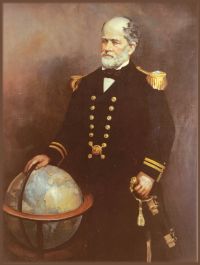
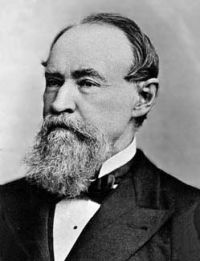
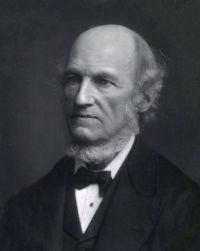
Matthew Fontaine Maury, Lieutenant, U.S.N.

Biographical details

Matthew Fontaine Maury, Lieutenant, U.S.N. Physical Geography Of The Sea… (1855)

By such an one, the wind and rain, the vapor and the cloud, the tide, the current, the saltiness, and depth, and warmth, and color of the sea, the shade of the sky, the temperature of the air, the tint and shape of the clouds, the height of the tree on the shore, the size of its leaves, the brilliancy of its flowers — each and all may be regarded as the exponent of certain physical combinations, and therefore as the expression in which Nature chooses to announce her own doings, or, if we please, as the language in which she writes down or chooses to make known her own laws.
Source: Wikisource

Matthew Fontaine Maury, Lieutenant, U.S.N. Physical Geography Of The Sea… (1855)

It elevates the mind and ennobles the man. The Gulf Stream is now no longer, therefore, to be regarded by such an one merely as an immense current of warm water running across the ocean, but as a balance-wheel — a part of that grand machinery by which air and water are adapted to each other, and by which this earth itself is adapted to the well-being of its inhabitants — of the flora which deck, and the fauna which enliven its surface.
Source: Wikisource

Matthew Fontaine Maury, Lieutenant, U.S.N. Physical Geography Of The Sea… (1855)

The geological clock may, we thought, strike new periods; its hands may point to era after era; but, so long as the ocean remains in its basin, so long as its bottom is covered with blue water, so long must the deep furrows and strong contrasts in the solid crust below stand out bold, ragged, and grand. Nothing can fill up the hollows there; no agent now at work, that we know of, can descend into its depths, and level off the floors of the sea.
Source: Wikisource

Get perspective with Kwize: daily news enlightened by great literature