Oceanography, a branch of Earth science, examines the physical, chemical, biological, and geological characteristics of the ocean, incorporating disciplines such as meteorology, geology, and biology. From early explorations that mapped ocean currents—such as the systematic studies of the Atlantic by Portuguese navigators—to 19th-century expeditions like the Challenger voyage, oceanography has developed into a comprehensive science.
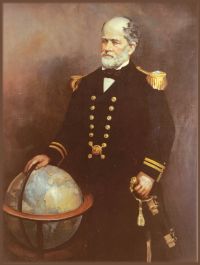
Julien Thoulet highlighted its connections to geology, pointing out how marine processes influence Earth’s history, while Matthew Fontaine Maury’s Physical Geography of the Sea organized knowledge about currents and tides. Contemporary oceanography, combining satellite data with theoretical models, continues to reveal the ocean’s impact on climate and ecosystems, merging centuries of research into a dynamic, interdisciplinary discipline.